Blog

  • Michael Clark: MOVING ABROAD WITH YOUR PET

    Michael Clark: MOVING ABROAD WITH YOUR PET

    Moving abroad is a huge decision for anyone and can be a rather daunting process. There is an exhausting to-do list involved in booking tickets, finding accommodation and ensuring passports and visas are in order. Then there is packing up the house, organising transportation of your belongings and getting the family safely across the water; and this includes your furry friend.

    Unfortunately, we have all heard the horror stories about moving pets from one place to another. There are many checks and regulations in place, but we have to remember that these are for good reason. While the red tape and sometimes frustrating quarantine process can seem over-the-top, ultimately we all need to work together to ensure our animals are safe. With some prior planning, some expert guidance and a little patience, you and your team will be together in your new home in no time.

    Mike Clark, Queensland State Leader of Dent Global, knows the process well. Mike and his wife Alma moved their family from the UK to Australia in May last year, and bringing their Working Cocker Spaniel, Rockit, was non-negotiable.

    “As far as I’m concerned, he was part of our family, my son. We weren’t going to just leave him,” Mike said.

    Step one: Recruiting the right help

    Countries have been grouped by the Australian Department of Agriculture and Water Resources according to the rabies risk, and requirements differ slightly according to the category. From here, there are a series of steps to take to obtain a permit, then a minimum of 10 days quarantine is required once the animal reaches Australia.

    In Mike and Alma’s case, the UK is classed as a lower risk point of origin; however, the process still took seven months to have Rockit ready to get on a plane. The family identified early on in the plan that they would need some help navigating the requirements, just as he had sought assistance with his visas while working in the UK. Knowing the importance of working with the right person, Mike began making enquiries and found a consultant that ticked all the boxes.

    “You could tell he had a strong passion for helping us get from A to B in the best way. He was really personable, asked the dog’s name and showed a lot of interest. He was also very knowledgeable and talked me through all the things that needed to happen,” Mike said.


  • What To Do If Your Pet Goes Missing

    What To Do If Your Pet Goes Missing

    For many of us, our pets are far more than just animals; They are part of our families. Their wellbeing, health and safety are of the utmost importance to us, so if they ever go missing it can be hugely upsetting and distressing. If you are ever in that awful situation where your pet goes missing then following these steps will hopefully have you reunited with them soon.

    Get on the phone

    The first thing that you should do is to get on the phone and notify your local council that your pet is missing. Next call all the local vets and animal shelters including the RSPCA on 1300 477 722.

    Get online

    Many local areas have lost pet and lost animal social media pages so get online and see if your pet has been located or list your pet as missing. It is also a good idea to post a photo and description of your missing pet on your own personal Facebook and Instagram page and ask family and friends to share it.

    Search the neighbourhood

    Ask family and friends to help you search your local community. Look in all the places that you normally visit with your pet in case they have wandered off into an area or place they are familiar with. Ask adults and children alike if they have seen your missing pet. Children are often far more observant than adults so don’t forget to check with any kids that you see. Use a torch to search small places that animals might hide or have got stuck in including under cars, in drain pipes, under porches or behind sheds.

    Make “Missing Pet” posters

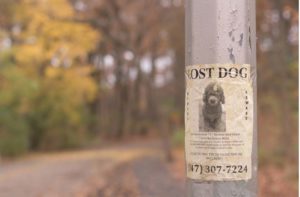
    Print off a whole lot of “Missing Pet” posters and put them up in your local area including on telephone poles and public notice boards. Ask local shopkeepers to put them in their window and local schools to put them up in the playground.

  • Stephen Gallagher: TIMELESS MEMORIES

    Stephen Gallagher: TIMELESS MEMORIES

    In the digital age we live in, we have plenty of photos of our loved ones living on our computers, phones, and social media profiles. We want to capture memories, showcase our life events, and honor our friends and family in a beautiful way. However, with access to constant, quick snapshots, the concept of custom portraiture has faded into the background for most of us.

    That’s not the case for artist Stephen Gallagher, who specializes in creating oil portraits dedicated to your pets. We all want to remember our journey with our four-legged friends, and while photos are great, there is something timeless about a fine art portrait of our pet.

    We spoke to Stephen about his work and why he thinks everyone should have custom paintings done for their pets.

    Were you always interested in painting and art?

    Stephen Gallagher: From as far back as I can remember, I’ve always drawn. I fell in love with getting lost in the process of art making. Whatever was bothering me would disappear once I got into the flow of painting. I guess I have always loved the meditative process of painting as well as watching others get pleasure from the finished result. It also helped that I had encouraging parents and teachers around me!

    You started your business after painting your ailing dog, Ozzie. Why did you decide painting his portrait was a good way to remember him?

    SG: I was taking lessons in oil painting at the time and thought it would be a perfect way to apply what I learned and make something worth remembering him by. I loved the result and was pleasantly surprised that other people loved it as well. Requests then started to come in to paint other people’s dogs.

  • Did You Know Pets Get Toothache?

    Did You Know Pets Get Toothache?

    Dogs, cats and other companion animals and rarely show signs of dental pain. This is a survival mechanism, an instinctual behavior that our domesticated animals have in common with their wild ancestors.

    Your pets can’t tell you when they’re suffering from a toothache or other types of pain. However there are signs that we can look out for that will give an indication that they may be in pain.

    A bad smell is a byproduct of the bacterial metabolic process. In pets with serious gum disease, there is more bacteria in the mouth, and so the odour increases. “Doggy breath” or “tuna breath” is not normal and needs to be checked out and evaluated.

    If you notice any of these signs, contact your veterinarian to schedule an exam.

    Obvious signs of dental pain :

    ●chewing on one side of the mouth ●dropping food ●running away from the food dish ●crying when yawning ●hiding away ●not grooming themselves ●acting “grumpy” ●low appetite – going off food

    You know your pet better than anyone, so look out for any abnormal behaviours.

    Bleeding from the mouth is usually due to periodontal disease, but it could also be evidence of:

    fractured teeth ●lacerations ●or ulcers on the tongue ●or gum tissue ●or the presence of an oral mass

    Look for thick, ropey saliva, spots of blood found on toys or beds or drops of blood in the water or food dish.

    If the periodontal disease is severe enough, you may notice bleeding from the nose or bloody discharge when your pet sneezes.

    Once the veterinary team addresses your pet’s oral issues, your pooch may show he is feeling better by acting like a puppy again or your kitty might seek extra attention.

    Please don’t let your pets suffer in silence. They don’t just have a toothache, they have a whole mouth full of toothaches. Another thing to note is that gum disease can also lead to other problems with your pet’s body affecting their liver and heart.

    Did you know that 4 out of 5 dogs over the age of 3 years have some sort of serious gum disease? It can be caused by the buildup of plaque, so it’s important to go in for regular dental checkups and cleanings.

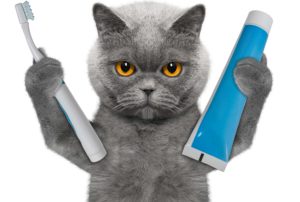
    But wait, there is good news! Remember that daily dental hygiene is FREE. All you need is a toothbrush and a couple of minutes to help prevent periodontal disease.

    So if you have a young pup, make sure you brush their teeth daily, have their teeth cleaned at the vet regularly and keep an eye on their diet.

    Don’t let your pets suffer in silence. They don’t just have a toothache, they have a whole mouth full of toothaches.

  • Pawsome PALS FOR YOUNG READERS

    Pawsome PALS FOR YOUNG READERS

    The saying goes, “never work with children and animals” but, done right, it can actually be a perfect match.

    Story Dogs is an Australian national charity dedicated to helping children grow their skills and confidence in reading. The program utilises volunteers, who visit participating schools with their dog and sit one-on-one with selected children while they read.

    In just ten years, the program has gone from a small trial in regional NSW to 520 volunteers, now helping 2600 children nationally each year. In the Brisbane area alone, approximately 30 schools are participating in the program and around 100 have signed up across the greater Queensland area.

    Story Dogs began in 2009 when Janine Sigley was searching for volunteering opportunities for her daughter.

    “I Googled ‘volunteering with animals’, and up popped two sites in the USA; READ (Reading Education Assistance Dogs) and Sit, Stay, Read. I thought the concept was brilliant and saw how it could work for children who were struggling with their reading,” Janine said.

    She spoke about the idea with her friend Leah Sheldon, who has a background in teaching and experience working in a correctional centre, so she knew first-hand the consequences of poor literacy in young people. Leah was quickly onboard and together they developed the program (with blessing and assistance from the USA programs) and put forward a trial at their children’s school. It was an immediate success.

    “The teachers loved the program so much they asked if they could have more dog teams,” Janine said.

    “They could see the children’s attitudes towards reading start to change. We aim to make reading fun, so children seek out books and want to continue to read in the classroom and at home. The program also has the effect of flipping around the whole notion of the ‘dumb’ kid going out of the classroom for remedial reading, as now all students want a turn to read to the dog and thus the students chosen for the program are now the
    lucky ones.”

    From here, Story Dogs has continued to expand across the country. Each area has a Regional Coordinator who is the key support for the Dog Teams. Volunteers can be anyone with a passion for their community but are often retirees who can set aside a couple of hours a week and enjoy spending time with children. The dogs are carefully assessed by both a vet and an independent dog behaviour and training expert to ensure their temperament is suitable and they will be comfortable in a school environment.

    “Our volunteers gain a sense of purpose to see a young child lacking confidence who then becomes a good reader confident in their abilities… and our dogs love going to school and being the centre of attention. It is a win/win for all involved,” Janine said.

    Participating children are selected by the classroom teachers to spend 20 minutes each week one-on-one with a dog team. Reading becomes special, fun and without pressure as they enjoy working through the books with their new furry friend. Positive outcomes for the children have been incredible across the board.

  • This Funny Pupper is Taking the Internet By Storm

    This Funny Pupper is Taking the Internet By Storm

    Just thought we would share this article with you to liven up your day. It’s called An adorable dog is turning the tables on his owner by holding signs that shame humans from GOOD.

    It shares this fascinating meme machine that is Dog with Sign. Here’s an excerpt:

    Dog with Sign turns the tables on the popular dog-shaming memes by fighting back against the way dogs are aggravated by humans, especially their owners. The tagline of the Instagram page reads: “If you don’t sit for something, you’ll never get the treat.”

    Click on the link below to see more of the hilarious pupper!

    Read the source article at GOOD

  • Crate Training Your Puppies

    Crate Training Your Puppies

    Here’s a fascinating article from Advantage Petcare. It’s called How to crate train your dog, fast. 

    There are some really thought-provoking insights here. This one about crate size is particularly interesting:

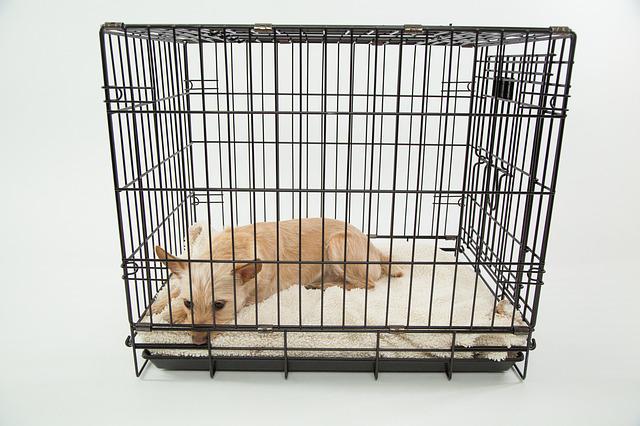
    Size is an important consideration when looking for a crate. The crate should be big enough for your dog to stand up in when fully grown. If you’re buying a crate for a puppy, take into consideration its estimated adult size and weight.

    Measure your dog’s length and height and know its current weight and anticipated full-grown weight. Knowing such numbers will help you select the perfect crate for your dog, as most crates come with measurement guides.

    There are a lot of points that could be discussed here so do give the rest of it a read for more information…

    Read the source article at advantagepetcare.com.au

  • Meet Catmantoo

    Meet Catmantoo

    At 18 years old, Robert Dollwet was given the opportunity to train police dogs in the US Military. He explains that at the time, he knew he loved dogs but wasn’t quite sure what he was getting himself into. “It didn’t take long to realize I had a knack for working with dogs,” he said, “And I figured this must be the thing I’m going to do for the rest of my life.”

    After working with the Military, he moved to Hollywood, California to train animal actors for the TV and movie industry. And 4 years later, he started his own dog training business in Malibu to help the rich and famous with their pets. In 2019 he relocated to the Gold Coast to spread his knowledge with those in Australia.

    Over his 35 years of experience, it’s safe to say he’s a real dog guy. But it turns out, he’s a cat guy, too—or, in other words, a Catmantoo.

    “After the Military, I got a job training animal actors in Hollywood,” Robert tells us, “Even though dogs and cats were our specialties, I got to train and/or wrangle many different kinds of animals. That’s when I went from being a “dog” trainer to an “animal” trainer. In 2004, I wanted to stand out as a trainer, so instead of getting another dog to train, I decided on a cat, because people thought cats couldn’t trained. I not only wanted to show people cats are very teachable, but working with a cat would improve my own training skills. Plus, a cat acts as a huge distraction for the dogs I was training, which helped take their training skills to a higher level. I found a cat on the street and named him Quiz.”


  • Observe These Tips When Tending Injured Wildlife

    Observe These Tips When Tending Injured Wildlife

    Thought we should share this particularly interesting article. It’s got some really useful tips if you meet an animal injured by the wildfires.

    Here’s one that we thought deserved a share:

    If safe and necessary, quietly approach the injured animal. Startling it may cause further injuries and stress.

    To learn more, check out the rest of the article…

    Read the source article at bunburyvets.com.au

  • Meet THE VET… DR WALTER TSANG MONTY AND MINX CALAMVALE VETS

    Meet THE VET… DR WALTER TSANG MONTY AND MINX CALAMVALE VETS

    Growing up in Hong Kong, Dr Walter was surrounded by pets of all species imaginable; dogs, cats, rabbits, hamsters, snakes, lizards, spiders, ferrets – you name it! With over-population a concern, it became common for pets to be treated as the children of the household, rather than the typical functional role.

    Moving to Australia to study veterinary science at UQ a decade ago, the young animal lover fell immediately in love with the outdoors.

    What was it like starting a new life in Australia?

    Moving straight out of high school to Gatton, Brisbane where UQ Vet School is located at, was so contrasting to life in Hong Kong. I had a great bunch of people from my cohort, so it has been nothing but fantastic since I moved here. My partner and I have a cat at home and we enjoy exploring cafes and great hikes around Brisbane at our time off.

    Did you grow up surrounded by pets?

    Funnily enough I actually never had a pet growing up! Maybe it is the whole ‘you want what you can’t have’ thing… Jokes aside I was lucky enough to have my wonderful parents who provided me with the support and encouragement to pursue the path of becoming a vet.

    What do love most about being a vet?

    For the most part, I enjoy being a vet (especially the bit where I have to deal with anal glands… not!) but particularly surgery and consulting. Surgery can be the decisive treatment for many illnesses and by doing so, gives the patients a much better chance in recovering from that. Consulting is something I did not expect I would enjoy doing when I was still in uni, but now to be able to connect with my clients and see how they interact with their pets is something I would always consider as a privilege.

    What made you choose to become a veterinarian?

    I have always wanted to work with animals and to help those in need. Like many vets out there, I have always had a strong affection and bond to animals since I was little and to be able to work with animals on a daily basis is something I have always dreamed of. The choice was between working as a conservationist or a veterinarian and I chose the latter in the end. My family could not be more supportive in helping me fulfil this dream and my friends weren’t surprised when I told them I was leaving Hong Kong to pursue my veterinary degree.

    How do you spend your non-clinic days?

    Most of the days, when I am not in the clinic I am pounding pavements or on a twisty, dirt trail. Cooking, photography and reading some good books are also my favourite past-times.

    We hear that you currently have a cat named Taylor, could you tell us more about him?

    Taylor has been with us since the end of 2014 when I met him at a clinic at Dalby during my clinical placements. He was a stray cat and was unfortunately trapped in a rat cage for a few days. He was dehydrated and scared when I first met him, but has since come a long way. Now he spends most of his days running around the house and sleeps on every single possible spot in the house. Taylor loves hogging my sleeping spaces and has an unfortunate obsession with cockroaches. I also bought a cat backpack to bring him out hiking when the weather is cooler. Anything for environmental enrichment!

    What do you love about working at Monty and Minx Calamvale Vets?

    The team at Monty and Minx Calamvale Vets are amazingly professional, friendly and adaptable – they always go the extra mile for clients and their pets. The clients here are very devoted pet parents who would often put their pets before themselves. The different cultural backgrounds some of the owners are from are also very inspiring.